Lithium batteries power phones, laptops, electric vehicles, and energy-storage systems. Their reach is expanding quickly. The International Energy Agency’s Global EV Outlook 2024 reported more than 14 million electric cars sold worldwide in 2023. That growth makes battery safety a practical concern, not a laboratory topic.
The central question is: what causes lithium batteries to overheat? The answer usually involves several connected conditions. Overcharging can push a cell beyond its safe voltage range. Physical damage may create an internal short circuit. Manufacturing defects, poor cooling, aging, and exposure to high ambient temperatures can also increase heat. The U.S. Federal Aviation Administration has repeatedly documented smoke, fire, and overheating events involving lithium batteries in aircraft cargo and passenger areas. These incidents show how quickly a small cell can become a serious hazard.
This guide presents seven clear answers. It connects battery chemistry with real-world warning signs, including swelling, unusual heat, sharp odors, hissing, and rapid capacity loss. UL Research Institutes explains that thermal runaway can begin when heat generation exceeds heat removal. That process may spread from one cell to nearby cells. It can happen suddenly.
No single cause explains every incident. Public datasets may also underreport near-misses. That limitation matters. A responsible explanation should separate confirmed evidence from assumptions. The following overview draws on guidance from the IEA, FAA, UL Research Institutes, and established battery-safety practices. It focuses on prevention, inspection, and safe professional handling.
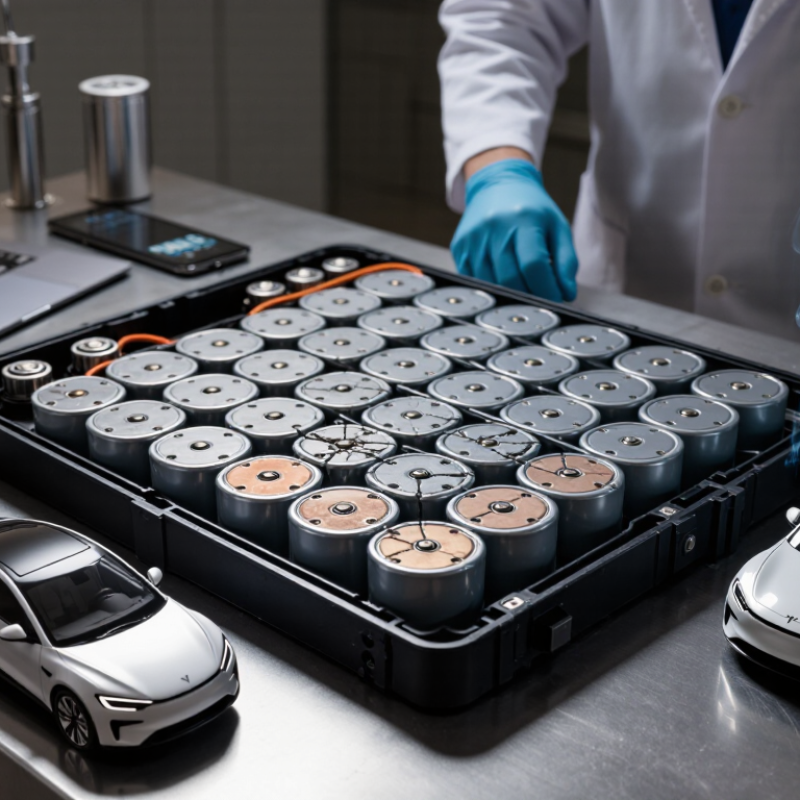
What Does Battery Overheating Mean?
Battery overheating means a lithium battery is becoming hotter than its normal operating range. Warmth can occur during charging, rapid discharge, or heavy device use. However, excessive heat feels different. The battery may become painful to touch, swell, smell unusual, or trigger an automatic shutdown. These signs deserve attention.
Heat usually comes from high current, damaged cells, poor ventilation, or a faulty charger. Direct sunlight can raise the temperature quickly, especially inside a parked vehicle. Charging a battery under a pillow or thick blanket traps heat. Internal damage may also create resistance, which changes electrical energy into heat. The outside may look normal. That is the difficult part.
A practical check is simple. Stop charging and stop using the device if it becomes unusually hot. Disconnect it only when doing so seems safe. Keep it away from paper, fabric, and other combustible materials. Do not puncture, open, crush, or cool a swollen battery with water. Allow it to cool in a clear, dry area, then seek qualified service advice. A cool battery is not automatically a healthy battery. I have seen users dismiss mild warmth because the device still worked. That assumption can fail. Temperature readings, charging history, and visible changes provide better evidence than touch alone.
A lithium battery does not overheat from one single reaction. Several processes can overlap. During normal use, lithium ions move between two electrodes through an electrolyte. This movement creates heat from electrical resistance, especially when the battery supplies high current. Poor cooling can trap that heat inside the cell.
The solid electrolyte interphase, or SEI, protects the negative electrode. Excessive heat can weaken or break this layer. The exposed electrode then reacts more easily with the electrolyte, producing additional heat and gas. The electrolyte may also oxidize at the positive electrode. These reactions are exothermic, meaning they release energy as heat. A swollen pouch or a sharp chemical smell can signal that internal reactions are no longer stable.
Internal damage creates another risk. A crushed separator may allow direct contact between the electrodes, causing an internal short circuit. Current then rushes through a tiny area, producing intense local heating. Rising temperature accelerates chemical reactions, which create more heat. This feedback can lead to thermal runaway. It is a rapid chain reaction.
In practical inspection, the outside may feel only warm while the cell center is much hotter. A single surface reading can mislead. Temperature limits also vary with cell design and chemistry. This is where simple explanations become imperfect. Charging stress, age, defects, and physical damage may act together, not separately. Any unusual swelling, hissing, or rapid heating deserves immediate professional assessment.
| No. | Primary Cause | How Excess Heat Is Generated | Typical Warning Signs | Practical Prevention or Response |
|---|---|---|---|---|
| 1 | Overcharging or charging outside the specified limits | When the cell voltage rises too high, unwanted reactions can occur at the positive electrode and electrolyte. The electrolyte may oxidize, the negative electrode may become unstable, and metallic lithium can deposit on the anode. These reactions increase resistance and release additional heat. | Unusually high temperature during charging, swelling, reduced runtime, rapid voltage increase, or a charger that does not stop correctly. | Use the correct charger and a functioning battery-management system. Stop charging if the battery becomes hot, swollen, damaged, or produces an unusual odor. |
| 2 | Short circuit or internal separator damage | A short circuit creates a low-resistance path between the electrodes. A very high current can flow, converting stored electrical energy into heat through internal resistance. If the separator is torn or punctured, localized heating can spread rapidly. | Sudden heating, rapid discharge, melting, smoke, hissing, or a sharp temperature increase without a normal load. | Do not use or recharge a battery suspected of short-circuiting. Keep terminals covered, prevent contact with metal objects, and have damaged cells handled through approved battery-recycling or hazardous-material procedures. |
| 3 | Physical damage, crushing, puncture, or deformation | Mechanical damage can deform electrodes, rupture the separator, and expose reactive electrode materials to the electrolyte. The resulting localized short circuit and side reactions can produce heat even when the battery is not in use. | Dents, cracks, swelling, leakage, abnormal odor, intermittent operation, or heating after an impact. | Remove visibly damaged batteries from service without bending or compressing them. Do not puncture, disassemble, or place them in ordinary waste. |
| 4 | High ambient temperature or inadequate heat dissipation | Higher temperature accelerates electrochemical reaction rates and increases the speed of parasitic reactions. If heat cannot escape, the cell temperature rises further, creating a feedback loop that can lead to thermal runaway. | Heat buildup inside an enclosed device, charging slowdown, protective shutdowns, swelling, or temperatures that remain high after use. | Keep batteries away from direct sunlight and hot surfaces. Maintain ventilation, avoid enclosed charging locations, and follow the temperature limits specified for the battery system. |
| 5 | Excessive current demand or a heavy load | High current passing through the cell's internal resistance produces resistive heat according to the relationship P = I²R. As the cell warms, its performance can decline and additional side reactions may increase the heat output. | Heating during acceleration or high-power operation, voltage sag, premature shutdown, reduced capacity, or hot connectors and wiring. | Operate the battery within its rated continuous and peak current limits. Use properly sized wiring, connectors, fuses, and thermal protection. |
| 6 | Manufacturing defect, contamination, or aging | Particles, burrs, uneven coatings, moisture, or other defects can create localized high-resistance areas or microscopic internal shorts. Aging can also increase impedance and degrade the solid-electrolyte interphase, causing more heat during charging and discharge. | One cell becoming hotter than others, shorter runtime, increased internal resistance, swelling, unexpected voltage imbalance, or progressive performance loss. | Use batteries from controlled supply chains and monitor cell temperature, voltage, and resistance. Replace batteries that show abnormal imbalance, swelling, or persistent overheating. |
| 7 | Thermal runaway and exothermic decomposition | At sufficiently high temperatures, the protective interphase and electrolyte can decompose in exothermic reactions. These reactions release more heat, which can trigger separator failure, further reactions at the electrodes, gas generation, and rapid temperature escalation. | Fast temperature rise, swelling, venting, hissing, smoke, flame, or multiple cells heating in sequence. | Move people away and avoid handling the battery. Do not attempt to open or repair it. Follow local emergency guidance and use battery-specific fire and incident procedures appropriate to the installation. |
External heat is a major cause of lithium battery overheating. The International Energy Agency’s Global EV Outlook 2024 notes that high temperatures can accelerate battery degradation and reduce usable performance. A parked vehicle can become dangerously hot within minutes under direct sunlight. Dark surfaces, poor ventilation, and nearby heat sources intensify this stress. Even a battery rated for warm climates needs airflow and temperature control.
Charging creates additional heat. A damaged cable, blocked cooling path, or unsuitable charger can trap energy inside the cell. The National Renewable Energy Laboratory reports that lithium-ion battery aging accelerates as operating temperatures rise, especially during charging. Cold conditions also matter. Charging below freezing can cause metallic lithium to form inside the cell, increasing internal resistance and later heating. That risk is easy to miss.
Mechanical damage is another external trigger. A crushed pack, punctured cell, or swollen casing can create an internal short circuit. According to the Fire Safety Research Institute, a lithium-ion battery in thermal runaway may produce temperatures above 600°C. Water exposure is not automatically harmless; saltwater and contaminated moisture can create conductive paths. Yet temperature limits vary by chemistry, design, and cell age. Treating one number as universal would be careless. Inspect swelling, unusual odor, hissing, or rapid heat during charging, and stop using the battery when these signs appear.
Charging and discharging habits strongly influence lithium battery temperature. During charging, electrical energy becomes chemical energy, but some energy changes into heat. Fast charging creates more heat, especially when the battery is nearly full. A warm room, poor ventilation, or a damaged cable can raise the temperature further.
In practical battery inspections, heat often appears around connectors and charging ports first. Use a charger that matches the battery’s specifications. Keep the device on a hard, uncovered surface while charging. Avoid charging inside a hot car or under bedding. Charging below freezing can also damage the battery and increase safety risks. Stop using the battery if it swells, smells unusual, or becomes painfully hot.
Discharging habits matter just as much. High-power tools, gaming, bright displays, and steep acceleration demand more current. Internal resistance then produces heat, like friction inside the battery. Repeatedly draining the battery to zero can increase stress and shorten its useful life. Moderate charging and avoiding extreme discharge usually create less heat. Still, temperature is not controlled by habits alone. Age, damage, manufacturing quality, and cooling design also matter. It is easy to blame the charger, but that assumption can be incomplete. A battery may stay warm because its cells have aged, even with careful daily use. Let it cool before charging again, and seek professional inspection when heating continues.
Lithium batteries overheat when damaged cells, faulty chargers, blocked ventilation, or extreme temperatures disrupt normal operation. The danger is thermal runaway, where rising heat triggers rapid chemical reactions. This can cause burns, fire, toxic smoke, or an explosion. A battery may look normal and still be unsafe.
Watch for warning signs: unusual heat, swelling, leaking, a sharp chemical smell, hissing sounds, discoloration, or charging that stops and starts. A device that suddenly loses power deserves attention. Stop using it immediately if these signs appear. Unplug it only when safe, keep people away, and move away from flammable materials. Do not puncture, crush, open, or reuse a swollen battery. If smoke or flames appear, leave the area and contact emergency services. Water may not solve every battery fire, so avoid improvised handling.
Tips: Charge batteries on a hard, uncovered surface. Use the correct charger and inspect cables regularly. Keep batteries away from direct sunlight, heaters, and freezing conditions. Never charge a visibly damaged pack. A common mistake is leaving a device charging overnight, assuming modern protection cannot fail. It can. When unsure, stop using the battery and seek advice from a qualified technician or local waste facility.
Electrical resistance creates heat when high current moves through the battery. Poor cooling can trap heat inside the cell. Small spaces matter.
Excessive heat can weaken the protective layer near the negative electrode. The exposed material may react with the electrolyte, producing more heat and gas.
A crushed separator may let the electrodes touch. Current then rushes through a tiny area, creating intense local heating. Heat speeds reactions. Those reactions create more heat.
Yes. The outside may feel only warm while the center is much hotter. A single surface reading can mislead.
Watch for swelling, unusual heat, leaking, sharp chemical smells, hissing, discoloration, or repeated charging interruptions. Sudden power loss also deserves attention.
Stop using the battery immediately. Unplug it only when safe, keep people away, and remove nearby flammable materials. Seek qualified professional advice.
Leave the area and contact emergency services. Do not puncture, crush, open, or handle the battery casually. Improvised firefighting may create additional danger.
Charge batteries on a hard, uncovered surface. Use the correct charger and inspect cables regularly. Keep batteries away from sunlight, heaters, and freezing conditions.
No. Built-in protection can fail. It can. Avoid overnight charging, especially with an old, damaged, swollen, or unusually warm battery.
Not always. Several problems may combine, including charging stress, aging, poor ventilation, and crushing. Simple explanations are useful, but imperfect.
Lithium battery overheating occurs when heat is produced faster than it can safely escape, causing the battery temperature to rise beyond its normal operating range. To understand what causes lithium batteries to overheat, it is important to consider internal chemical reactions, external conditions, and usage habits. Damage, manufacturing defects, aging, or internal short circuits can increase resistance and trigger excessive heat during chemical reactions. High ambient temperatures, direct sunlight, poor ventilation, and contact with heat-producing equipment can also raise battery temperature.
Charging and discharging habits play an equally important role. Using incompatible chargers, charging a damaged battery, overcharging, or repeatedly demanding high power can increase thermal stress. Warning signs may include unusual warmth, swelling, hissing sounds, leaking, a strange odor, rapid power loss, or smoke. If these signs appear, stop using the device, disconnect it from power when safe, keep it away from flammable materials, and seek professional assistance. Regular inspection, proper charging, and suitable storage can help reduce overheating risks.

Autrionyx Power