In today's fast-paced world, the demand for efficient equipment is higher than ever. One critical factor in maximizing performance is understanding how to improve equipment runtime with better batteries. Many users overlook battery choice when optimizing their devices. A battery's quality significantly impacts overall functionality and efficiency.
Selecting the right type of battery can be daunting. Various options are available, each with unique strengths. For instance, lithium-ion batteries offer superior energy density and longevity compared to traditional alkaline counterparts. However, many users settle for conventional batteries without considering the benefits that modern alternatives could provide. This choice can lead to frustrating downtime or reduced productivity.
Moreover, it’s essential to recognize that simply upgrading batteries isn’t always foolproof. Variability in equipment compatibility and battery capacity can result in unexpected issues. Users must critically evaluate their specific needs and test different options. Balancing cost and performance often requires thoughtful consideration and adaptation. Embracing innovation can ultimately enhance equipment uptime, leading to greater efficiency and satisfaction.
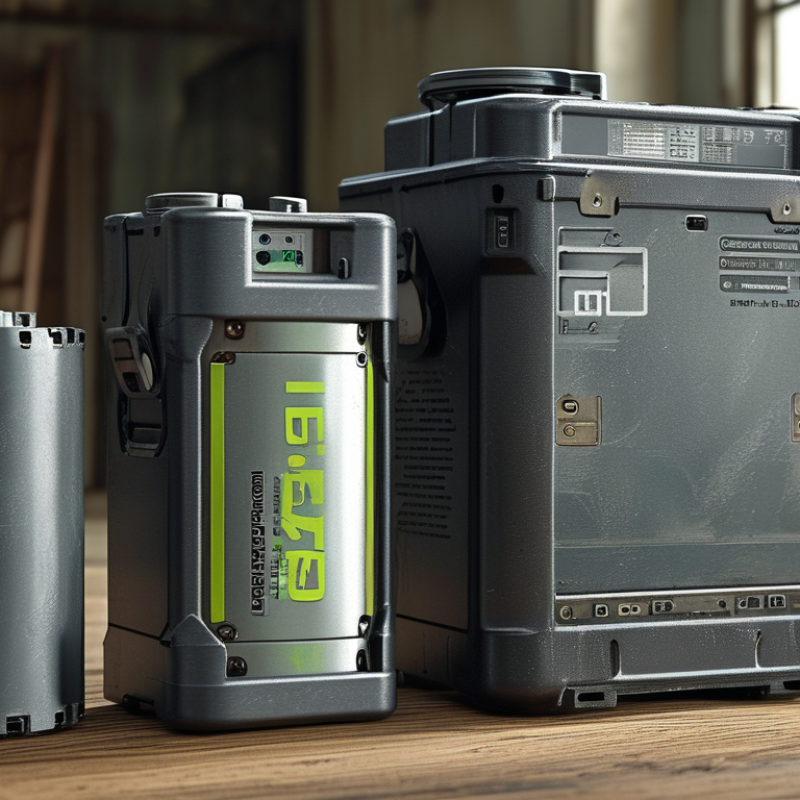
Choosing the right battery type is crucial for optimizing equipment runtime. Different battery chemistries like lithium-ion, nickel-metal hydride, and lead-acid can significantly affect performance. Lithium-ion batteries provide high energy density and are lightweight. However, they can be sensitive to temperature variations, potentially impacting runtime.
Nickel-metal hydride batteries are often more resilient in fluctuating temperatures. They may not last as long per charge compared to lithium-ion but offer reliability. Lead-acid batteries are heavier but less expensive and work well for stationary equipment. However, they do require regular maintenance and have a shorter cycle life.
Understanding these factors is vital. Equipment usage patterns can further highlight inefficiencies. Some users may overlook proper battery management practices, leading to decreased performance over time. Regularly monitoring battery charge levels and maintaining optimal operating conditions can enhance longevity. It’s essential to evaluate specific needs and usage scenarios when selecting batteries to achieve maximum runtime and efficiency.
| Battery Type | Voltage (V) | Capacity (Ah) | Energy (Wh) | Typical Use |
|---|---|---|---|---|
| Li-ion | 3.7 | 2.0 | 7.4 | Smartphones, Laptops |
| NiMH | 1.2 | 1.5 | 1.8 | Power Tools, Hybrid Vehicles |
| Lead Acid | 12 | 7.0 | 84 | Backup Power, UPS Systems |
| LiPo | 3.7 | 1.3 | 4.81 | RC Vehicles, Drones |
| Zn-C | 1.5 | 0.6 | 0.9 | Flashlights, Toys |
: Battery capacity, discharge rates, and temperature control significantly impact runtime and efficiency.
Higher capacity typically allows for longer runtimes, but it may increase the equipment's weight.
High discharge rates can lead to rapid battery depletion, affecting performance and longevity.
Extreme temperatures can degrade battery life and reduce efficiency, necessitating proper climate control.
Avoid complete discharges and charge when the battery drops to about 20%. This can enhance longevity.
Batteries benefit from cycling charge and discharge. Infrequent use can lead to performance issues.
Ensure compatibility with existing equipment and conduct regular health checks to avoid disruptions.
They can track performance in real-time, leading to operational cost reductions and efficiency improvements.
Staff must be trained on new systems to prevent mismanagement and ensure resources are used effectively.
Users often overlook practical testing or environmental factors, leading to dissatisfaction over time.
To improve equipment runtime with better batteries, it is essential to understand the types of batteries available and their impact on performance. Different battery chemistries have distinct characteristics that can significantly affect runtime, making it crucial to select the right type for specific equipment applications. Key factors that influence battery performance include temperature, discharge rates, and maintenance practices, all of which can optimize efficiency and longevity.
Implementing best practices, such as regular monitoring, proper charging protocols, and temperature management, can further enhance battery life. Innovations in battery technology, such as advancements in energy density and faster charging capabilities, are also making it easier to maximize equipment runtime. Additionally, real-world case studies illustrate how various industries have successfully upgraded their battery systems to achieve improved performance and extended operational capability, demonstrating effective strategies on how to improve equipment runtime with better batteries.

 Autrionyx Power