7 Tips to Prevent Lithium Battery Overheating Issues?

Time:2026-06-04 Author:Ethan
0%

Lithium batteries are essential for powering our everyday devices. However, safety concerns arise when discussing what causes lithium batteries to overheat. Overheating can lead to fires or device malfunctions. Understanding the reasons behind this issue is crucial for users and manufacturers alike.

Poor design, faulty cells, and overcharging often trigger these overheating incidents. Users may not realize the risks associated with inadequate care. Devices left in hot environments can exacerbate the problem, causing internal damage. In some cases, direct physical stress on the battery may lead to dangerous situations.

Preventing overheating requires proactive measures. Regularly inspect devices for signs of wear or damage. Avoid exposing batteries to extreme temperatures. Knowledge and cautious handling can significantly reduce risks. Awareness is key to ensuring the safe use of lithium batteries in our daily lives.
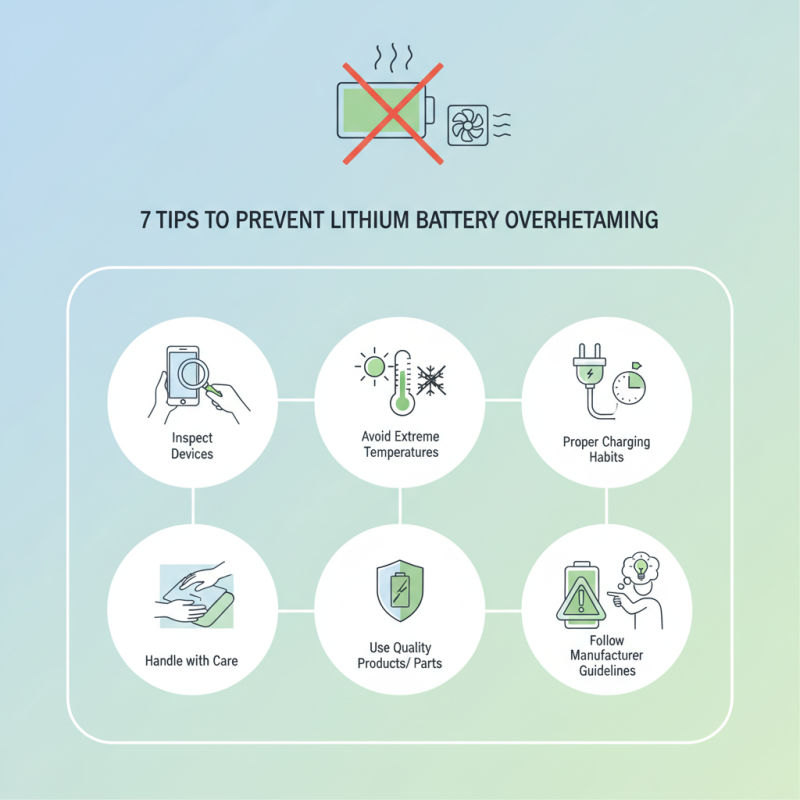
7 Tips to Prevent Lithium Battery Overheating Issues?

Understanding Lithium Battery Overheating: Causes and Risks

Lithium battery overheating poses significant risks. These batteries can reach temperatures over 100°C. When this happens, the internal components may fail. This leads to decreased efficiency, and in extreme cases, fires or explosions may occur. According to research by the National Renewable Energy Laboratory, thermal runaway happens if temperatures exceed safe operational limits.

Several factors contribute to overheating. Excessive charging, environmental heat, and manufacturing defects play critical roles. A study from the Battery Safety Council indicates that improper charging practices can increase risks by 30%. Environmental stressors like high ambient temperatures exacerbate these issues. Moreover, worn-out batteries often show reduced performance, increasing their susceptibility to heat.

Understanding these risks is essential for safe usage. Users should remain vigilant about their charging practices. Avoid leaving batteries in direct sunlight or hot vehicles. Regular inspections can identify emerging defects. Being proactive can mitigate dangers. More awareness can lead to safer battery handling.

Regular Inspection and Maintenance of Lithium Batteries

Regular inspection and maintenance of lithium batteries can significantly reduce the risk of overheating. The Battery University reports that nearly 20% of lithium batteries fail due to improper care. This underscores the importance of regular checks for signs of wear or damage.

Inspecting battery terminals for corrosion is crucial. A simple visual check can help identify issues early. Monitoring battery temperature during use is also vital. A temperature rise beyond 60°C (140°F) may indicate potential problems. Data suggest that 45% of battery-related incidents occur because users overlook such maintenance steps.

Additionally, ensuring batteries are kept at optimal charge levels is essential. Lithium batteries should ideally be maintained between 20% to 80% charge. This practice not only extends battery life but also minimizes the chances of overheating. Neglecting this can lead to a 30% decrease in battery performance over time. Regular maintenance is not just beneficial; it is necessary for safety and longevity.

7 Tips to Prevent Lithium Battery Overheating Issues

Proper Storage Practices for Lithium Batteries

Proper storage of lithium batteries is crucial for safety and longevity. Keep them in a cool, dry place. Extreme temperatures can lead to overheating. An ideal environment is between 20°C and 25°C. Avoid direct sunlight and heat sources like radiators. This simple step can prevent serious issues.

Using the original packaging for storage helps protect the battery. The packaging often provides insulation against temperature fluctuations. If packaging is unavailable, a protective case works too. Ensure the storage area is ventilated. Stagnant air can raise the temperature around the battery.

Monitor the storage period. Batteries should not be left unused for extended times. Regularly check their condition and charge them every few months. If you observe any swelling or leakage, dispose of the battery safely. Questioning battery health is crucial for safety. Proper storage practices can prevent overheating and extend battery life.

7 Tips to Prevent Lithium Battery Overheating Issues

Tip Number Tip Description Recommended Temperature Range (°C) Storage Condition
1 Store batteries in a cool, dry place away from direct sunlight. -20 to 25 Maintain relative humidity below 75%.
2 Avoid storing the battery in high-temperature or high-humidity areas. 20 to 30 Avoid garages or hot attics.
3 Do not leave batteries in charging devices unattended. 15 to 25 Charge in a monitored area.
4 Keep the battery terminals clean and avoid contact with metal objects. N/A Store batteries in original packaging or anti-static bags.
5 Avoid puncturing or damaging the battery. N/A Use protective cases if transporting.
6 Regularly inspect batteries for signs of swelling or leakage. N/A Dispose of damaged batteries properly.
7 Charge batteries at room temperature to avoid overheating. 20 to 25 Avoid charging in extreme temperatures.

Implementing Temperature Control Solutions for Battery Safety

Implementing temperature control solutions for lithium batteries is crucial for safety and performance. According to a report by the International Energy Agency, battery safety incidents have increased by 40% in recent years. Effective temperature management can significantly reduce these incidents.

One tip includes using thermal management systems that monitor battery temperatures. These systems can actively cool or heat the battery as needed. Real-time data from sensors can alert users to any temperature anomalies. Studies indicate that maintaining battery temperatures between 20°C and 25°C can extend lifespan.

Another approach is to design battery packs with adequate ventilation. Ensuring airflow allows heat to dissipate more effectively. It is essential to regularly check these designs. Some users report inefficiencies in airflow due to poor layout. Regular maintenance can prevent overheating risks.

Adopting these practices can lead to enhanced safety. Data suggests that over 60% of battery failures stem from overheating. Investing in temperature control measures is not just wise but necessary for safety. Companies should prioritize this aspect while ruminating on the effectiveness of their current systems.

Educating Users on Safe Charging Habits for Lithium Batteries

Proper charging practices are crucial to prevent lithium battery overheating. Many users don't realize that charging environments greatly affect battery health. Always charge batteries in a cool, dry space. Excess heat can significantly reduce battery life and performance.

One tip involves avoiding overnight charging. Leaving devices plugged in can lead to heat buildup. Over time, this may damage battery cells. Use chargers designed for your device's specifications. Mismatched chargers can cause overheating and potentially dangerous situations.

Educate yourself on charging cycles. Lithium batteries perform best when kept between 20% and 80% charge. Regularly depleting and fully charging can lead to excessive heat and deterioration. Users should also disconnect devices once fully charged. This simple act can mitigate overheating risks and extend the battery's lifespan.

FAQS

: Why is proper storage important for lithium batteries?

: Proper storage prevents overheating and extends battery life. It is essential for safety and longevity.

What is the ideal temperature range for storing lithium batteries?

The ideal temperature range is between 20°C and 25°C. Avoid extreme temperatures to prevent issues.

How should I store lithium batteries if I don't have the original packaging?

Use a protective case if packaging is unavailable. It's important to keep them insulated from temperature changes.

How often should I check and charge my lithium batteries?

Check the batteries every few months. Regular charging is necessary to maintain their health.

What should I do if I see swelling or leakage in a battery?

If you notice swelling or leakage, dispose of the battery safely. This is crucial for safety.

How can temperature management improve battery safety?

Temperature management can reduce incidents significantly. It helps prevent overheating and extends battery lifespan.

What are thermal management systems?

These systems monitor and regulate battery temperatures. They can cool or heat the battery as required.

Why is regular maintenance important for battery designs?

Regular maintenance ensures proper airflow. Poor designs can lead to inefficiencies and overheating risks.

What percentage of battery failures are due to overheating?

Over 60% of battery failures are linked to overheating. Effective temperature control can mitigate this risk.

What reflection should companies make regarding temperature control?

Companies should assess the effectiveness of their current systems. Improving temperature management is necessary for safety.

Conclusion

Lithium batteries have become integral to many modern devices, but understanding what causes lithium batteries to overheat is crucial for ensuring safety. Factors such as internal short circuits, excessive charging, and environmental conditions can lead to overheating, posing serious risks like fires or device damage. Regular inspection and maintenance of these batteries can help identify potential issues early, while proper storage practices—such as keeping batteries in cool, dry places—are essential.

Additionally, implementing temperature control solutions, such as thermal management systems, can significantly enhance battery safety. Educating users about safe charging habits, including not overcharging and using appropriate chargers, plays a vital role in preventing overheating incidents. By following these tips, the risks associated with lithium battery overheating can be effectively minimized, ensuring both user safety and device longevity.

Ethan

Ethan

Ethan is a seasoned marketing professional with a deep expertise in our company's innovative product line. With a passion for sharing knowledge and insights, he takes the lead in regularly updating our corporate blog, where he explores industry trends, product features, and effective marketing......