In recent years, the demand for efficient energy storage has surged in various industrial sectors. Lithium batteries have emerged as a top choice. Their unique properties have made them essential for numerous applications. But what exactly makes them stand out? This leads us to the question: why are lithium batteries better for industrial use?
One main reason is their energy density. Lithium batteries pack a lot of power in a small space. This allows industries to maximize their energy efficiency while minimizing the required space. Additionally, these batteries have a longer lifespan compared to traditional options. Longevity reduces the frequency of replacements, ultimately cutting costs. However, it’s essential to consider that not all lithium batteries are created equal. Users must assess quality and manufacturer reliability carefully.
Moreover, lithium batteries offer fast charging capabilities. This feature is crucial for industries where downtime must be minimal. On the other hand, continuous advancements in technology may outpace understanding. At times, it leads to misconceptions about safety and versatility. Therefore, as industries increasingly adopt lithium batteries, careful evaluation is crucial. Recognizing both benefits and potential drawbacks will fuel smarter choices moving forward.
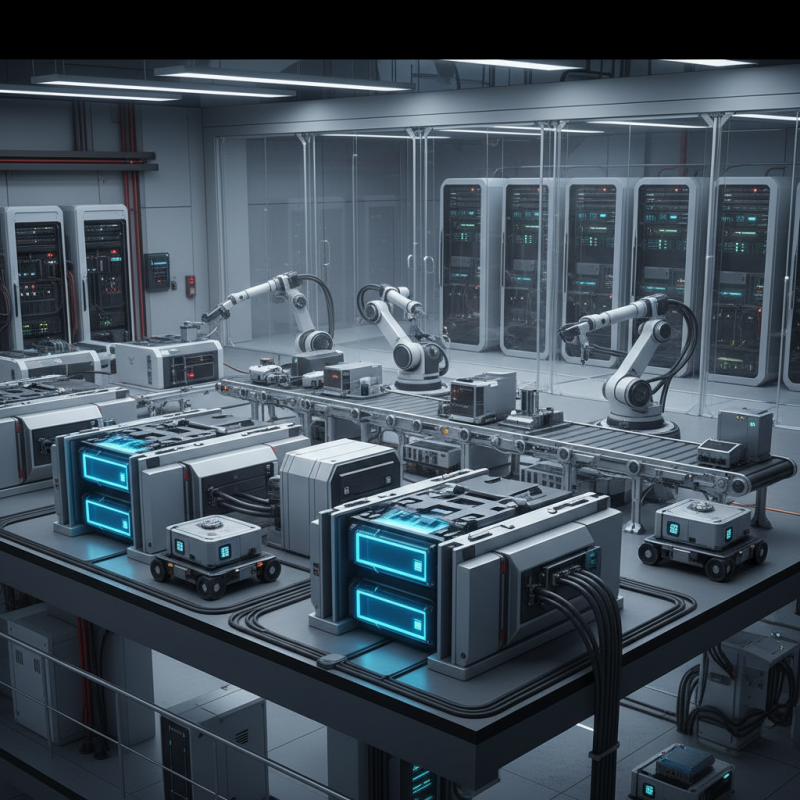
Understanding Lithium Batteries: Composition and Technology
Lithium batteries are increasingly favored in industrial applications, thanks to their unique composition and advanced technology. These batteries comprise lithium metal or lithium compounds, providing high energy density and extended lifespan.
Studies show that they deliver more than 150 watt-hours per kilogram, far exceeding traditional lead-acid batteries, which average around 30 watt-hours per kilogram. This efficiency translates into reduced weight and size, essential for various industrial settings.
The technology behind lithium batteries continues to evolve. For instance, the introduction of lithium iron phosphate (LiFePO4) enhances thermal stability and safety. Data indicates that this chemistry has a cycle life of more than 2,000 charge-discharge cycles, making it ideal for applications requiring frequent recharges.
However, drawbacks exist. The high cost of lithium batteries and concerns over resource scarcity warrant attention and reflection. Industry experts emphasize the need for sustainable sourcing practices and recycling efforts to mitigate these issues.
Additionally, while lithium batteries operate well in moderate temperatures, extreme conditions can affect performance. Manufacturers are exploring solutions to improve resilience. Understanding these nuances is crucial for industries relying on these power sources. As the technology advances, the focus will likely remain on balancing efficiency, cost, and sustainability.
Key Advantages of Lithium Batteries in Industrial Settings
Lithium batteries are becoming the preferred choice for industrial applications due to their numerous advantages. Their energy density is higher compared to conventional battery types. For instance, lithium batteries can store nearly three times more energy per unit weight than lead-acid batteries. This means they can power equipment for longer periods, reducing the need for frequent recharging.
Furthermore, lithium batteries exhibit lower self-discharge rates. Reports indicate that they can retain up to 90% of their charge after one year of storage. This reliability is critical in industrial settings where downtime can lead to significant financial losses. Moreover, lithium batteries are generally lighter, enabling easier handling and mobility in complex manufacturing environments.
Tips: When choosing a lithium battery for industrial use, consider the operational temperature range. Extreme temperatures can affect performance. Additionally, assess the cycling capability. A battery that is designed for high cycle life could prove cost-effective over time.
Another factor is safety. Although lithium batteries are generally safe, they can pose risks if not properly managed. Overcharging or exposure to high temperatures may lead to thermal runaway. Prioritizing quality and adhering to safety standards is essential for sustainable use. Balancing all these aspects requires thoughtful selection and ongoing assessment of battery performance.
Comparison of Lithium Batteries with Other Battery Types
Lithium batteries have gained significant traction in industrial applications due to their outstanding performance compared to other battery types. According to the International Energy Agency (IEA), lithium-ion batteries can store more energy per unit of weight and volume than lead-acid or nickel-cadmium batteries. For example, lithium batteries can achieve energy densities of 150-250 Wh/kg, while lead-acid batteries typically offer only 30-50 Wh/kg. This advantage allows for lighter and more compact power solutions, crucial in sectors like manufacturing and telecommunications.
A key advantage of lithium batteries is their longer lifespan. They can endure 2,000 to 5,000 charge cycles, surpassing lead-acid batteries, which typically last for 500-1,000 cycles. Moreover, lithium batteries have a lower self-discharge rate, retaining 95% of their charge after one month of inactivity, compared to 50% for lead-acid. This reliability proves essential for applications requiring consistent power.
Tips: When selecting a battery for industrial use, consider energy density and lifecycle. Evaluate your specific energy needs and choose accordingly. The initial investment may be higher for lithium technology, but the long-term benefits can be substantial. Always reflect on charge and discharge cycles to optimize efficiency.
Challenges and Limitations of Lithium Batteries in Industry
Lithium batteries have become a cornerstone for various industrial applications due to their high energy density and efficiency. However, they face significant challenges. One such challenge is thermal management. In environments with extreme temperatures, lithium batteries can overheat. A report by the Department of Energy suggests that battery performance can degrade significantly by up to 20% in high heat situations. This can lead to reduced efficiency and unexpected shutdowns.
Another limitation is lifespan. Generally, lithium batteries have a cycle life of 500 to 1,500 charge cycles. Beyond this range, their capacity drops sharply. A study from the International Energy Agency found that over 30% of industrial users experience significant capacity fading after just two years of usage. This can impact operations, necessitating more frequent replacements and increasing costs.
Moreover, safety concerns persist. Incidents of thermal runaway can occur, where batteries catch fire or explode under specific conditions. According to the National Fire Protection Association, lithium-ion batteries account for about 80% of battery-related fires in industrial settings. These risk factors highlight the need for improved safety measures when implementing lithium batteries in industrial applications.
Future Trends and Innovations in Lithium Battery Applications
The growing utilization of lithium batteries in industrial applications stems from their remarkable efficiency and evolving technology. Reports indicate that the global lithium-ion battery market is projected to reach $129.3 billion by 2027, with a compound annual growth rate (CAGR) of 16.3% from 2020 to 2027. This rapid expansion signifies a pivotal shift towards advanced battery systems in various sectors, including manufacturing and renewable energy.
Emerging trends showcase innovative lithium battery designs, such as solid-state and lithium-sulfur technologies. These alternatives may offer higher energy densities and increased safety. According to a study conducted by the International Energy Agency, solid-state batteries could enhance the performance of electric vehicles significantly. However, challenges remain around the production scalability and cost-effectiveness of these technologies.
**Tips:** Adopting lithium batteries in industrial settings can yield efficiency gains. However, organizations must assess the long-term implications and invest in training for personnel. Additionally, staying updated with the latest research will help companies remain competitive. Balancing these innovations with practical applications is key for successful integration.
Why Are Lithium Batteries Ideal for Industrial Applications? - Future Trends and Innovations in Lithium Battery Applications
| Application |
Benefits |
Challenges |
Future Trends |
| Renewable Energy Storage |
High energy density, long cycle life |
Cost, recycling issues |
Integration with smart grids, improved efficiency |
| Electric Vehicles |
Fast charging, lightweight |
Charging infrastructure, range anxiety |
Solid-state batteries, enhanced performance |
| Portable Power Tools |
High power output, compact size |
Durability, overheating risks |
Smart battery management systems |
| Aerospace |
Weight reduction, reliability |
Certification hurdles, performance in extreme conditions |
Innovative materials, extended lifecycle management |
| Telecommunications |
Stable power supply, longevity |
Self-discharge rates, thermal stability |
Improved safety features, energy efficiency enhancements |
Conclusion
Lithium batteries have become increasingly favored for industrial applications due to their unique composition and advanced technology. They offer several key advantages, including higher energy density, lighter weight, and longer lifespan compared to traditional battery types. This makes them ideal for powering various industrial equipment and tools, thereby enhancing overall efficiency and productivity.
However, despite these benefits, there are challenges and limitations, such as cost and temperature sensitivity, that need to be addressed for optimal performance in industrial environments. Looking ahead, continuous innovations in lithium battery technology promise to improve their applicability and reliability even further. Ultimately, these factors contribute to the prevailing question of why are lithium batteries better for industrial use, positioning them as essential components in the modern industrial landscape.

 Autrionyx Power