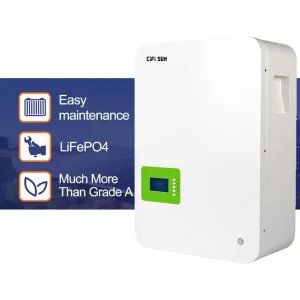
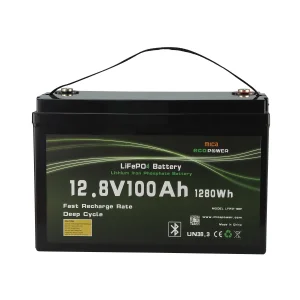
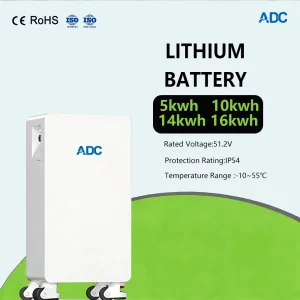
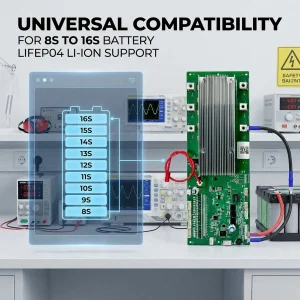
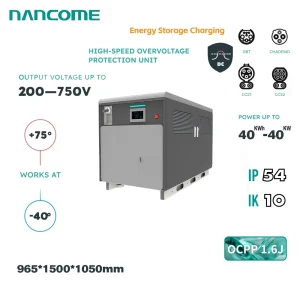
As the global energy crisis intensifies and carbon neutrality goals accelerate, Residential Solar Energy Storage Systems (BESS) have transitioned from luxury tech to essential household infrastructure. By 2025, the global residential storage market is projected to exceed $15 billion, driven by the decoupling of electricity prices and the increasing efficiency of Lithium Iron Phosphate (LiFePO4) technology.
Enterprises are now prioritizing supply chain resilience. Procurement managers look for suppliers with tiered pricing, high-cycle life (6000+ cycles), and modular scalability to meet varying residential demands from 5kWh to 100kWh.
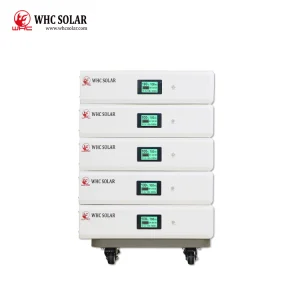
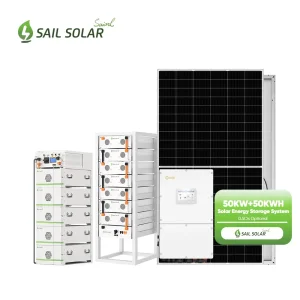
Modern solutions are moving towards "All-in-One" systems. This integrates the hybrid inverter, battery management system (BMS), and energy management software (EMS) into a single plug-and-play unit.
E-E-A-T principles in the energy sector rely on certifications. Top suppliers must hold CE, UN38.3, UL1973, and IEC62619 to ensure reliability across international borders.
The industry is witnessing a shift from Low Voltage (48V) systems to High Voltage (HV) Stacked Modular Designs. Why? HV systems offer higher efficiency, reduced heat generation, and faster response times for high-power appliances.
| Feature | Traditional Lead-Acid | Standard Lithium (NMC) | Next-Gen LiFePO4 (LFP) |
|---|---|---|---|
| Cycle Life | 300 - 500 Cycles | 1,500 - 2,500 Cycles | 6,000+ Cycles |
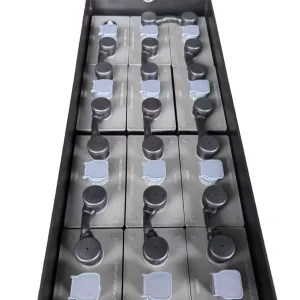
| Safety | Moderate (Venting) | Risk of Thermal Runaway | Ultra-Safe (Chemically Stable) |
| Eco-Impact | High Toxicity | Contains Cobalt | Cobalt-Free / Recyclable |
| BMS Integration | None/Basic | Mandatory | AI-Optimized Intelligent BMS |
Future Trends: We anticipate the integration of Vehicle-to-Home (V2H) technology where your EV battery acts as a secondary home backup, alongside the adoption of Solid-State batteries for even higher energy density.
Nanjing Autrionyx Power Co., Ltd. is a professional lithium battery manufacturer dedicated to delivering high-performance energy solutions for material handling, energy storage, and electric mobility applications. Based in Nanjing, China, the company specializes in the development and production of lithium battery systems for forklifts, energy storage systems, and golf carts, serving global industrial and commercial markets.
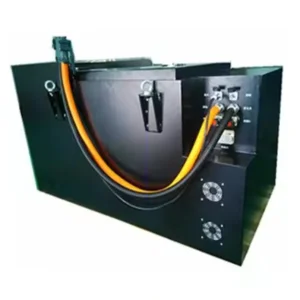
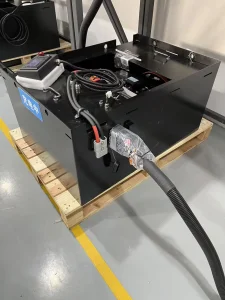
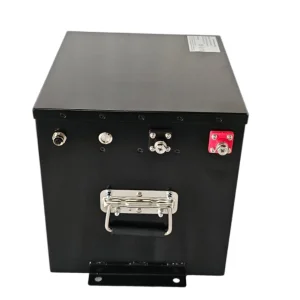
Autrionyx Power offers a comprehensive product portfolio including advanced lithium forklift batteries designed for high efficiency and fast charging, scalable energy storage battery systems for residential and industrial use, and lightweight, long-lasting battery solutions for electric golf carts.
All products are engineered with intelligent battery management systems (BMS) to ensure safety, stability, and extended service life. With a strong focus on innovation and quality, the company integrates cutting-edge technology with strict manufacturing standards to meet diverse customer requirements.

Committed to sustainability and energy efficiency, Nanjing Autrionyx Power Co., Ltd. continues to support the global transition toward cleaner energy by delivering reliable, cost-effective, and environmentally friendly lithium battery solutions. They also provide customized battery system solutions tailored to specific voltage, capacity, and application needs.
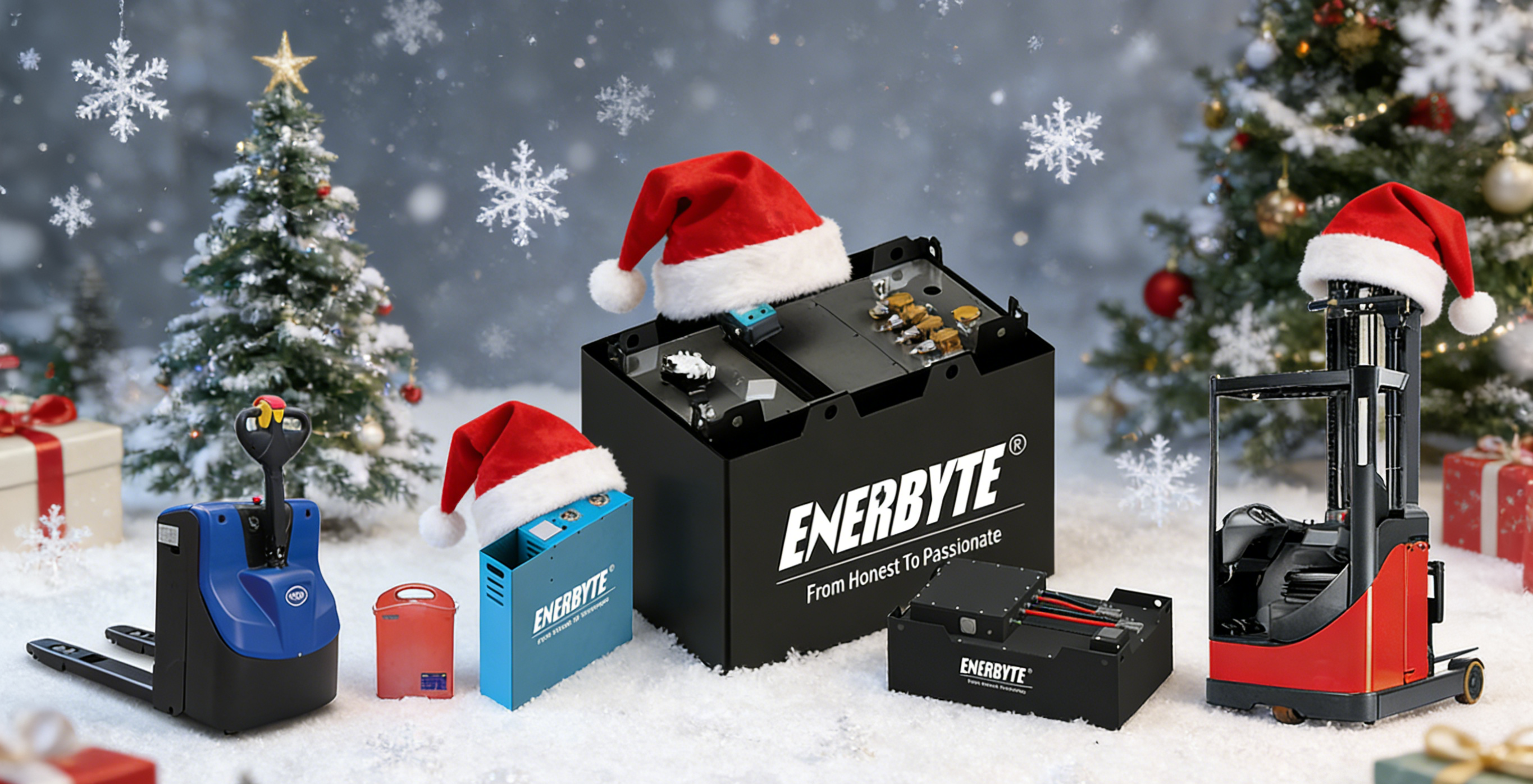
Identifying the "Top 10" requires more than just looking at sales volume. For B2B buyers and commercial installers, the following E-E-A-T factors are critical:
Does the supplier manufacture the cells, or just assemble the pack? Vertically integrated factories like Autrionyx ensure better quality control over the chemical composition and BMS synchronization.
Global leaders maintain service centers in Europe, North America, and Australia. Localized technical support and spare part availability are non-negotiable for large-scale residential deployments.
A supplier’s value is found in their "Information Gain"—proprietary algorithms for active cell balancing and cloud-based monitoring apps provide the end-user with tangible ROI.
 Autrionyx Power