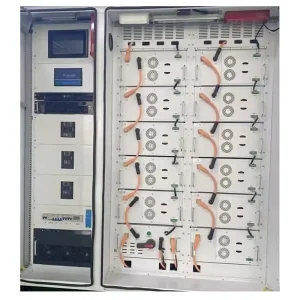
Engineered for maximum lifecycle durability and off-grid performance within the sub-Saharan logistics and tourism sectors.
Analyzing the intersection of macro-economics, off-grid infrastructure, and high-density energy storage in Sub-Saharan Africa.
The industrial and tourism landscapes in Mozambique are undergoing a structural shift toward electrification. Historically reliant on high-maintenance internal combustion engines or short-lived lead-acid battery banks, fleet operators in Maputo, Bazaruto Archipelago, Ponta do Ouro, and major industrial hubs in Tete are seeking advanced long-range lithium-ion technologies. The demand for reliable, high-capacity, and long-range energy systems has surged, specifically driven by the rapid growth of high-end eco-tourism resorts, coastal real estate developments, and heavy-duty industrial estates.
Mozambique’s geographical and climatic reality presents unique challenges for standard electric vehicle (EV) battery packs. Coastal salinity, high humidity, ambient temperatures often exceeding 40°C, and irregular grid stability mean that "off-the-shelf" battery systems degrade quickly, resulting in frequent downtime and high Levelized Cost of Storage (LCOS). As premium manufacturers of customized LiFePO4 (Lithium Iron Phosphate) and advanced lithium battery storage systems, we address these specific environmental vulnerabilities with localized product engineering and smart BMS telemetry.
1. Coastal Eco-Resorts and Private Game reserves: In locations like Bazaruto, Benguerra, and Quirimbas, silent, zero-emission transportation is critical to protecting local biomes and providing tourists with immersive nature experiences. Long-range golf carts powered by our lithium battery packs can travel up to 80-100 km on a single charge, negotiating sandy tracks and hilly terrains with high torque retention.
2. Ports & Industrial Logistics Corridors: Industrial yards at Beira, Nacala, and Maputo ports require electric utility vehicles to haul components and transport staff over extensive, dusty, and hot terminal facilities. Our 48V, 72V, and 96V systems provide consistent power discharge without voltage sag, which is vital for heavy-duty operation profiles.
3. Private Residential Developments & Gated Communities: Modern residential complexes in Maputo demand reliable micro-mobility options. A long-range cart battery system reduces overall energy bills when integrated with rooftop solar microgrids, acting as a dynamic decentralized energy storage asset.
Your Global Partner in High-Performance Lithium Battery Systems

Nanjing Autrionyx Power Co., Ltd. is a professional lithium battery manufacturer dedicated to delivering high-performance energy solutions for material handling, energy storage, and electric mobility applications. Based in Nanjing, China, the company specializes in the development and production of lithium battery systems for forklifts, energy storage systems, and golf carts, serving global industrial and commercial markets.
Autrionyx Power offers a comprehensive product portfolio including advanced lithium forklift batteries designed for high efficiency and fast charging, scalable energy storage battery systems for residential and industrial use, and lightweight, long-lasting battery solutions for electric golf carts. All products are engineered with intelligent battery management systems (BMS) to ensure safety, stability, and extended service life.
With a strong focus on innovation and quality, the company integrates cutting-edge technology with strict manufacturing standards to meet diverse customer requirements. Autrionyx also provides customized battery system solutions tailored to specific voltage, capacity, and application needs.
Committed to sustainability and energy efficiency, Nanjing Autrionyx Power Co., Ltd. continues to support the global transition toward cleaner energy by delivering reliable, cost-effective, and environmentally friendly lithium battery solutions.
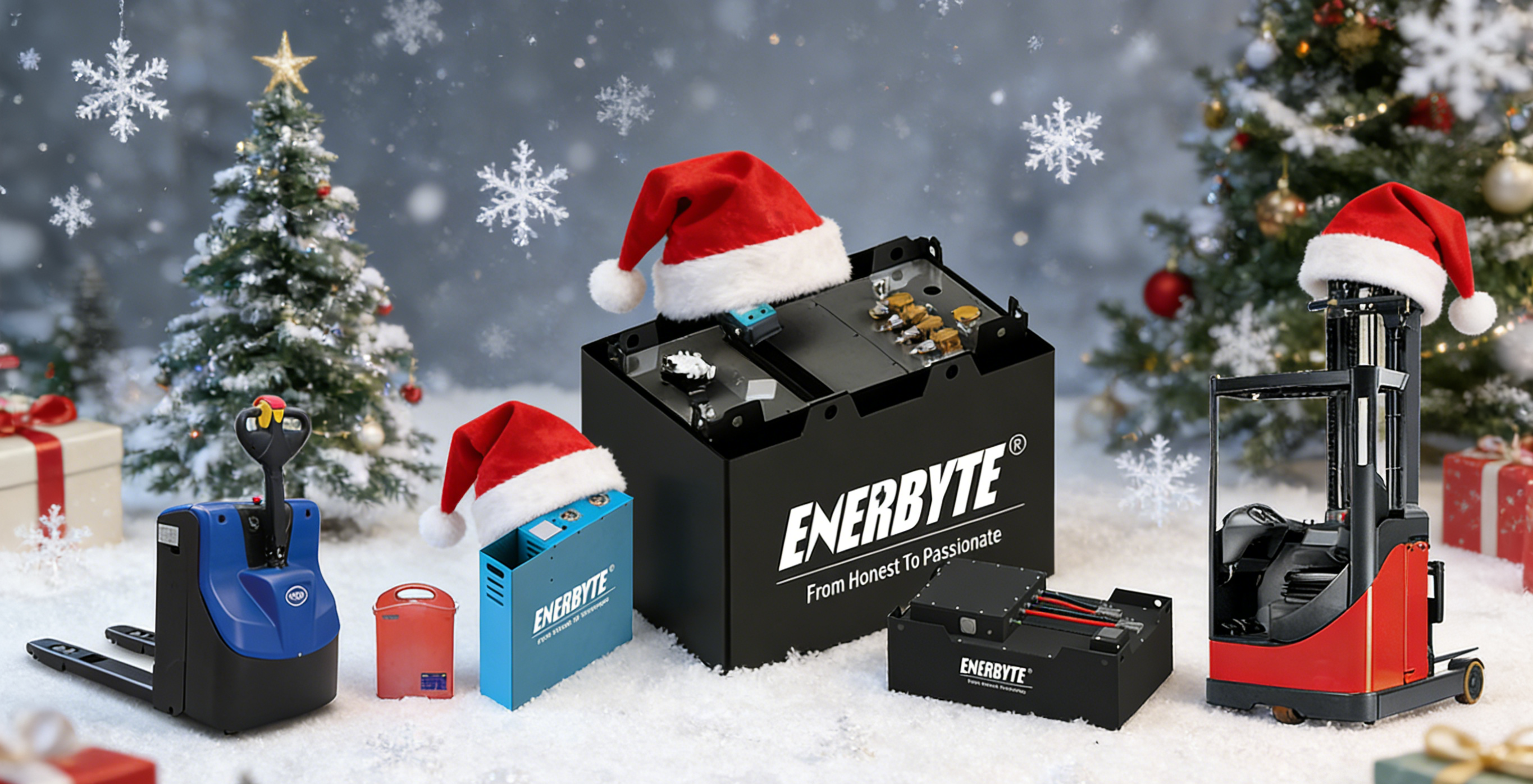
How Autrionyx mitigates tropical battery degradation through advanced material science and design.
In environments like northern Mozambique, ambient temperatures regularly test the boundaries of energy storage chemistry. Lead-acid batteries degrade rapidly if exposed to temperatures above 25°C—every 8°C rise in temperature halves their operational life. Furthermore, lead-acid batteries cannot sustain Deep Discharges (DoD above 50%) without accelerated plate sulfation.
Our Lithium Iron Phosphate (LiFePO4) systems possess structural thermal stability up to 60°C. They can comfortably sustain 80% to 100% depth of discharge for over 6,000 continuous cycles, representing an operational lifespan of more than 10 years without maintenance. The localized Levelized Cost of Storage (LCOS) is thus reduced by up to 70% compared to traditional lead-acid configurations.
| Performance Metrics | Autrionyx LiFePO4 System | Traditional Lead-Acid Battery | Standard Lithium-Ion (NMC) |
|---|---|---|---|
| Cycle Life (80% DoD) | 5,000 - 7,000 Cycles | 300 - 500 Cycles | 1,500 - 2,000 Cycles |
| Thermal Stability Limit | Up to 65°C (High Safety) | Degrades rapidly above 30°C | Risk of Thermal Runaway above 55°C |
| Weight (for equivalent 48V 100Ah) | ~42 kg | ~120 kg | ~35 kg |
| Maintenance Required | Zero Maintenance | Frequent Distilled Water Top-ups | Zero Maintenance |
| Safety / Toxicity Profile | Non-toxic, Zero Gassing | Lead contamination, Acid leaks | High density, potential oxygen release |
Every long-range golf cart and utility vehicle battery pack engineered by Nanjing Autrionyx Power features our custom-designed Smart Battery Management System (BMS). The BMS offers comprehensive protections against over-charging, over-discharging, thermal spikes, short-circuits, and cell imbalances. In Mozambique, where fleet managers often oversee operations in remote coastal areas, our BMS can integrate with GPS/GPRS modules to transmit state-of-charge (SoC), state-of-health (SoH), and internal battery temperature metrics directly to a cloud dashboard. This proactive diagnostics approach prevents failures and optimizes fleet availability.
Comprehensive solar, grid-interactive, and heavy industrial battery solutions for the Mozambique market.
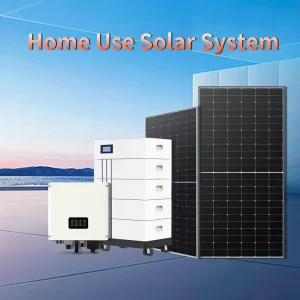
Ensuring frictionless importing, certification compliance, and reliable technical commissioning in Mozambique.
Deploying lithium battery storage at scale in Mozambique requires strict compliance with international safety protocols and local customs procedures. Mozambique’s regulatory bodies, such as the National Inspectorate of Economic Activities (INAE) and the Energy Regulatory Authority (ARENE), enforce rigorous safety checks on lithium import shipments to minimize risks associated with substandard electronics.
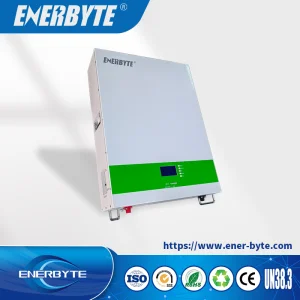
All Autrionyx Power battery systems are certified to global logistics standards, including UN38.3 (lithium transport safety testing manual), MSDS reports, and CE/IEC certifications. We assist Mozambique distributors and B2B clients in Maputo, Beira, and Nacala in securing importing clearance through pre-shipment inspections and detailed technical declarations. Furthermore, our products are crated in custom-engineered, shock-absorbent, and fire-resistant packaging to withstand rough maritime and overland transport conditions.
We provide comprehensive engineering resources, commissioning guides, and direct diagnostics tools to our local partners in Mozambique. Recognizing the remoteness of luxury safari camps and offshore resorts, Autrionyx integrates modular system components. If a sub-module or sensor requires service, it can be isolated and replaced without decommissioning the entire battery bank. This modular philosophy maximizes operational runtime and reduces dependency on overseas technician deployments.
Predicting the trajectory of light EV power systems and macro integration across Southern Africa.
As the Southern African development community (SADC) moves toward a greener transport framework, micro-grids and electric vehicle conversion systems are expected to merge. At Nanjing Autrionyx Power, our R&D roadmap focuses on three technological pillars:
1. Solid-State Cell Integration: We are actively piloting high-energy solid-state lithium cells for micro-mobility platforms. Solid-state architectures offer up to 40% greater volumetric energy density, allowing golf carts and logistics shuttles to achieve ranges exceeding 150 km per charge with zero risk of thermal runaway, even under severe structural impacts.
2. Direct Solar-Charge Capability (MPPT Integration): Future generations of our long-range cart batteries will feature embedded MPPT (Maximum Power Point Tracking) charge controllers. This allows resort operators to connect solar panels directly to the battery pack casing, converting the cart itself into a self-generating energy system when parked under the sun.
3. V2G (Vehicle-to-Grid) Bidirectional Inverters: In countries like Mozambique where local grid blackouts are common, a fleet of electric golf carts represents a valuable backup energy reserve. Our bidirectional battery systems allow users to discharge stored energy from the cart's battery pack back into their home, lodge, or office during emergency outages, protecting critical hardware and keeping operations running.
Resolving common customer concerns regarding localized installation, thermal tolerances, and ROI.
Yes, our battery systems are engineered as direct "drop-in" replacements. They match standard physical footprints of 36V, 48V, and 72V lead-acid configurations. Because lithium is up to 70% lighter, you will also notice a significant reduction in vehicle wear and tear and an increase in torque and acceleration.
Our battery packs utilize laser-welded aluminum alloy casings with IP65 and optional IP67 ingress protection ratings. The interior electronics and BMS are coated with thick anti-corrosive conformal coatings to ensure that moisture, salt-laden sea air, and fine sand do not compromise the circuitry.
Typically, the initial investment is recovered within 2 to 3 years. This calculation is based on zero water/cleaning maintenance costs, reduced charging times (saving electricity), a lifespan that outlasts lead-acid batteries by 5 to 6 times, and the elimination of diagnostic downtime.
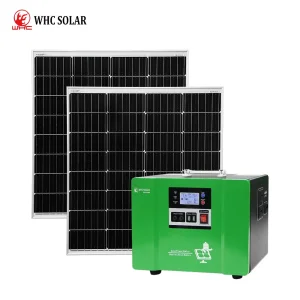
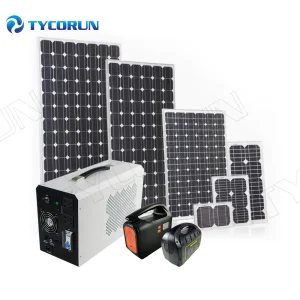
Absolutely. Our systems easily interface with off-grid solar arrays, hybrid solar inverters, and dedicated solar chargers. They can store excess solar power during midday and power golf cart fleets overnight, ensuring a completely clean and renewable energy cycle.
All battery models undergo stringent test protocols to achieve UN38.3 certification, which is the global standard for safe maritime and air transport of lithium batteries. We provide all necessary MSDS documentation to shipping carriers and customs authorities in Mozambique to ensure seamless delivery.
 Autrionyx Power