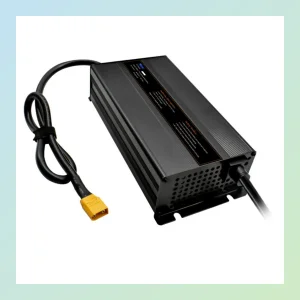
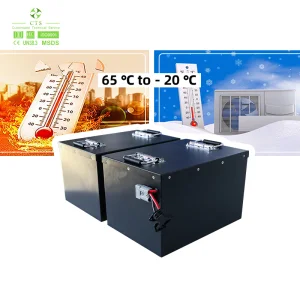
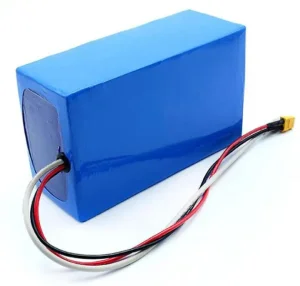
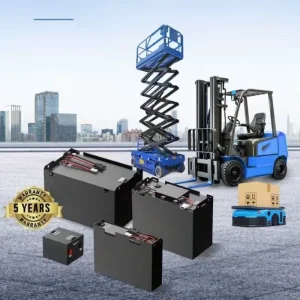
Nanjing Autrionyx Power Co., Ltd. is a professional lithium battery manufacturer dedicated to delivering high-performance energy solutions for material handling, energy storage, and electric mobility applications. Based in Nanjing, China, the company specializes in the development and production of lithium battery systems for forklifts, energy storage systems, and golf carts, serving global industrial and commercial markets.
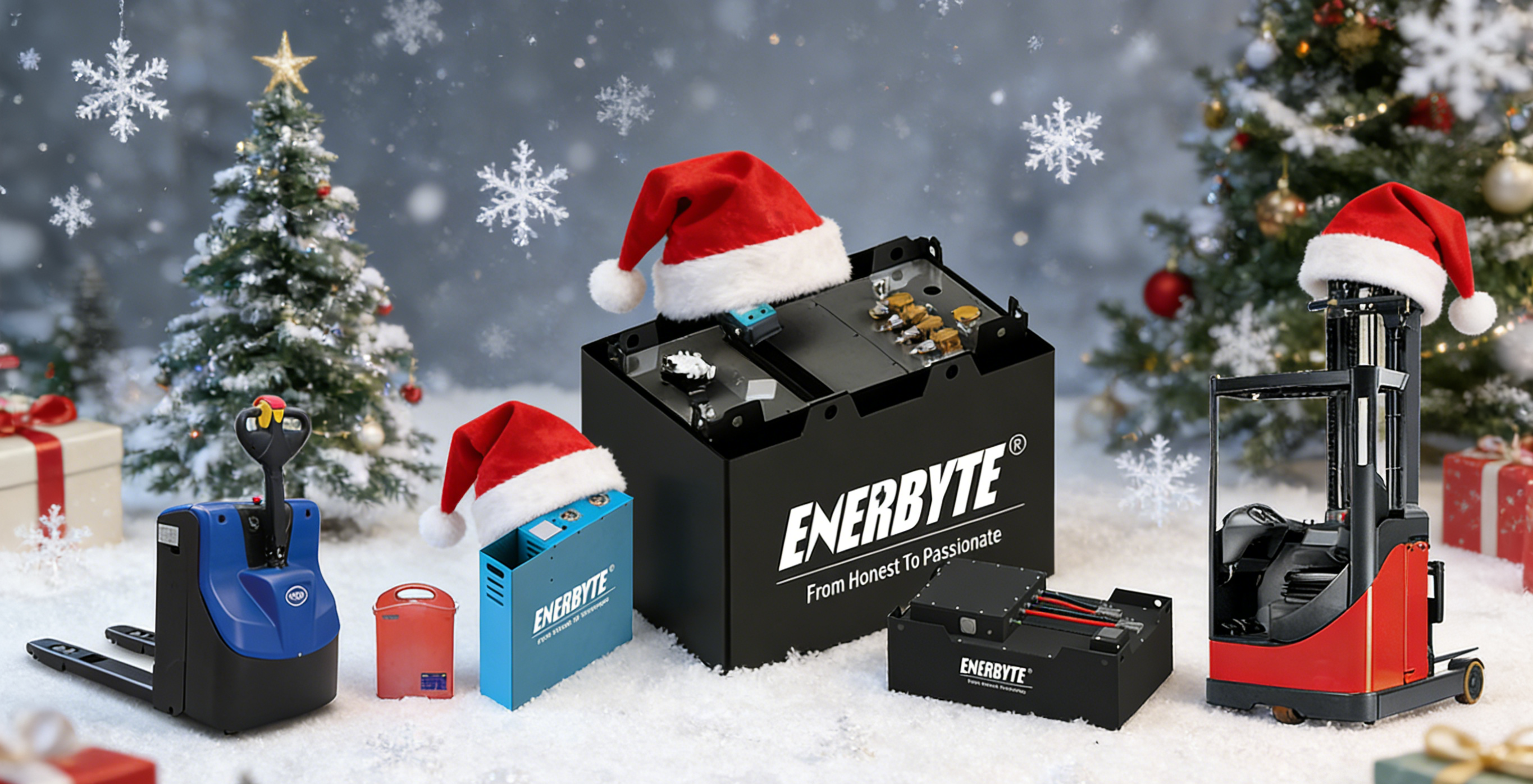
Autrionyx Power offers a comprehensive product portfolio including advanced lithium forklift batteries designed for high efficiency and fast charging, scalable energy storage battery systems for residential and industrial use, and lightweight, long-lasting battery solutions for electric golf carts. All products are engineered with intelligent battery management systems (BMS) to ensure safety, stability, and extended service life.
With a strong focus on innovation and quality, the company integrates cutting-edge technology with strict manufacturing standards to meet diverse customer requirements. Autrionyx also provides customized battery system solutions tailored to specific voltage, capacity, and application needs.
Committed to sustainability and energy efficiency, Nanjing Autrionyx Power Co., Ltd. continues to support the global transition toward cleaner energy by delivering reliable, cost-effective, and environmentally friendly lithium battery solutions.

We are advancing cell chemistry from traditional Lithium Iron Phosphate (LiFePO4) and Nickel Manganese Cobalt (NMC) to semi-solid state variants. This transition increases energy density past 280 Wh/kg while establishing structural resistance against thermal runaway in high-power situations.
Our upcoming cloud-linked Battery Management Systems run on real-time neural network modeling to predict State of Health (SoH) and remaining useful life. Dynamic cell balancing is calculated at microsecond intervals, preventing voltage drift and extending pack lifespans by up to 20%.
For high-capacity C&I energy storage systems (BESS), we deploy localized liquid cooling plates that maintain internal temperature variations within ±2°C. This prevents heat propagation and optimizes charging rates under challenging environmental conditions.
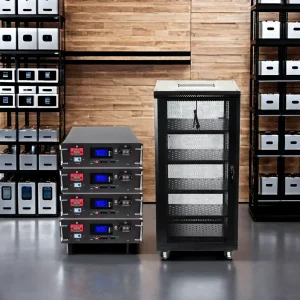
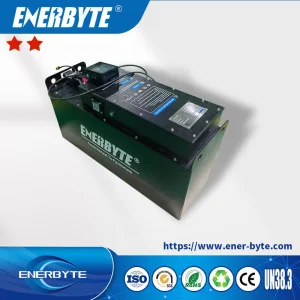
Our heavy-duty traction batteries (such as 48V, 80V LiFePO4 modules) replace lead-acid packs to support multishift operations through opportunity charging. Rapid charging support ensures forklift batteries can charge during lunch breaks, eliminating spare pack inventories.
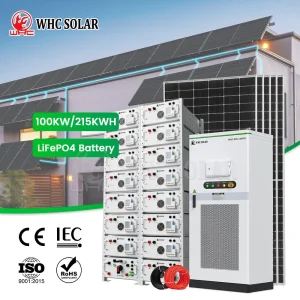
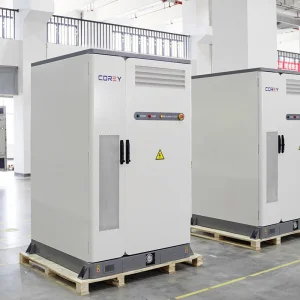
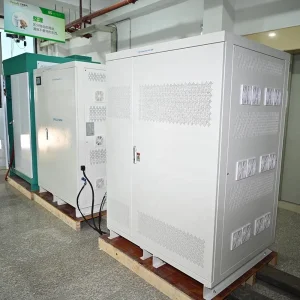
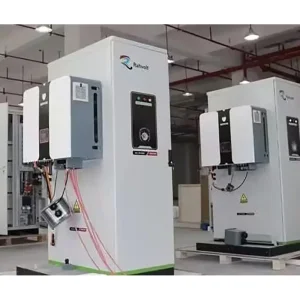
From 100kW cabinets to multi-megawatt configurations, our commercial air and liquid-cooled modular energy systems support peak shaving, load leveling, and emergency backup power. High-voltage structures reduce transmission losses, increasing round-trip efficiency (RTE) past 90%.
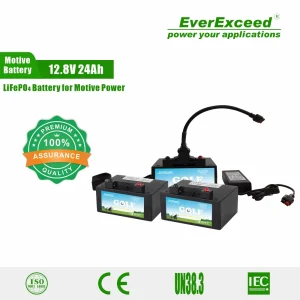
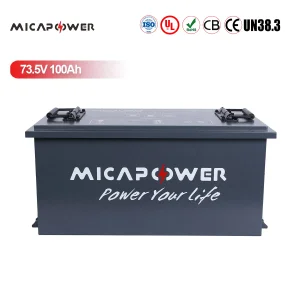
Engineered for lightweight utility vehicles, custom 60V and 72V modules deliver high C-rates and structural resilience to vibration. They power material handling vehicles, low-speed utility runabouts, and personnel transport cars in diverse industrial environments.
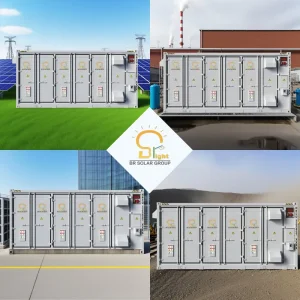
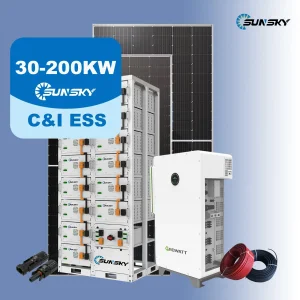
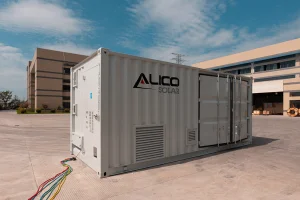
Pairing solar arrays with high-voltage storage containers enables self-sufficient energy setups for factories, agricultural centers, and off-grid setups. These systems are protected by integrated HVAC systems to withstand harsh outdoor environments.
Nanjing Autrionyx Power Co., Ltd. operates a modern manufacturing facility configured around industry 4.0 criteria. Our automated cell-sorting line screens and matches internal resistance, voltage differences, and capacity tolerances across cells to ensure consistency within each pack.
This localized supply chain structure ensures reliable access to high-grade lithium cells (such as Grade A LiFePO4 prismatic cells). Strategic raw material reserves protect our global clients from supply interruptions and pricing volatility.
Purchasing managers and system integrators face unique challenges when deploying custom energy systems. Our OEM/ODM framework is structured to streamline evaluation, design, and regulatory approval:
We analyze working parameters including C-rates, continuous discharge current, peak loads, and enclosure space limitations to select the correct chemistry and packaging.
Our engineering team drafts structural CAD designs, thermal models, and electrical schematics to verify form factors before manufacturing begins.
Our BMS modules support CANbus, RS485, and Modbus TCP protocols to ensure compatibility with inverters like Deye and Growatt.
Our high-cycle LFP systems deliver up to 6,000 cycles at 80% Depth of Discharge (DoD). This performance results in a significantly lower cost-per-kilowatt-hour cycle compared to standard lead-acid batteries, which require replacement every 1,500 cycles.
Our factory operates under ISO 9001 and ISO 14001 management structures. Products are tested to meet the strict requirements of international shipping and operation:
Navigating global lithium transport requires certified dangerous goods (Class 9) packaging. We provide full MSDS, UN38.3 test summaries, and declaration paperwork to streamline customs clearance at destinations in North America, Europe, and the APAC region.
Under nominal conditions (0.5C charge/discharge rates, 25°C ambient temperature, and 80% Depth of Discharge), our Grade A LiFePO4 cells maintain over 80% of their original capacity after 4,000 to 6,000 cycles. Under similar conditions, lead-acid batteries typically last 300 to 500 cycles.
Our BMS features communication protocols including CANbus, RS485, and Modbus RTU/TCP. It natively communicates with prominent solar and hybrid inverters such as Growatt, Deye, Victron, and SMA, sharing real-time metrics including State of Charge (SoC), voltage, and current limits.
Yes. Our ODM division specializes in engineering battery cases, cell arrangements, and custom BMS setups to fit specific physical compartments, voltage targets, and continuous current requirements for material handling and electric vehicles.
Our utility-grade BESS enclosures deploy multi-tier safety systems including active ventilation, liquid thermal control, circuit-level isolation fuses, aerosol fire suppression systems, and BMS-integrated relays that disconnect the system in case of voltage or temperature issues.
 Autrionyx Power