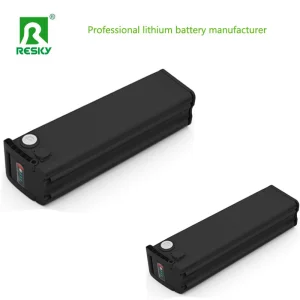
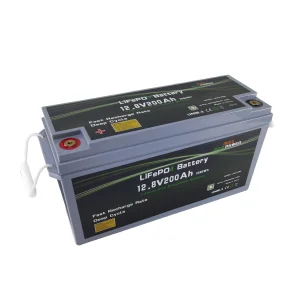
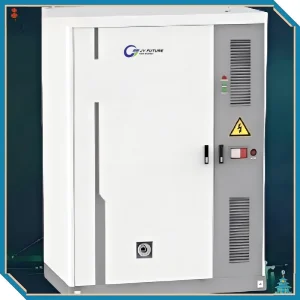
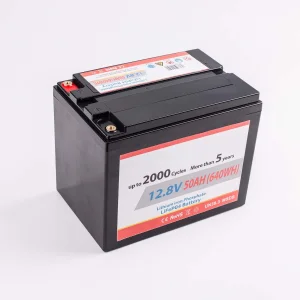
High-reliability lithium iron phosphate (LiFePO4) systems customized for utility grid, commercial, industrial, and specialized electric mobility applications.
The global paradigm shift toward decarbonization has placed Utility-Scale Battery Energy Storage Systems (BESS) at the absolute epicenter of modern power grid infrastructure. As renewable energy generation—predominantly solar photovoltaics and wind energy—reaches high penetration levels globally, grid operators face unprecedented challenges related to intermittent supply, frequency degradation, and localized congestion. Utility-scale energy storage serves as the vital buffer that translates asynchronous, variable renewable power into bankable, dispatchable grid capacity.
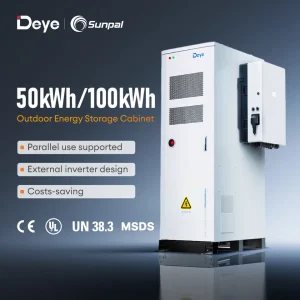
As a dedicated OEM/ODM Utility-Scale Energy Storage Factory and Tier-1 Exporter, our manufacturing ecosystems are engineered to resolve the triple dilemma of contemporary energy infrastructure: safety, lifecycle economics, and grid interoperability. By leveraging high-density Lithium Iron Phosphate (LiFePO4/LFP) cell chemistry, modular rack architectures, liquid-cooling thermal management, and enterprise-grade Energy Management Systems (EMS), we provide scalable BESS platforms ranging from 100kWh commercial enclosures to multi-megawatt-hour (MWh) containerized utility installations.
China has consolidated its position as the global powerhouse for battery energy storage supply chains. The convergence of upstream lithium refining, precursor chemical processing, cell engineering, and automated module assembly has created an unparalleled competitive advantage in total cost of ownership (TCO) and rapid industrial scale-up.
Comparing Next-Gen Liquid-Cooling Systems with Legacy Air-Cooling Technologies in BESS Deployments.
| Architectural Parameter | Next-Gen Liquid-Cooled Utility BESS | Conventional Air-Cooled Storage | Strategic Value / Impact |
|---|---|---|---|
| Energy Density (20ft Container) | 3.72 MWh to 5.01 MWh | 2.2 MWh to 3.3 MWh | +45% energy footprint optimization; drastically lower civil works costs. |
| Cell Temperature Variation | ≤ 2.5°C across all modules | ≥ 6.0°C - 8.0°C variance | Extends cell lifespan by 20%; prevents localized thermal degradation. |
| Auxiliary Power Consumption | Reduced by 30% - 40% | High fan continuous power drain | Directly improves overall system Levelized Cost of Storage (LCOS). |
| Thermal Runaway Safety | Targeted liquid channel + Aerosol/NFPA 855 | Airflow diffusion of gas | Prevents cell-to-cell thermal propagation under severe failure modes. |
| Protection Rating | IP55 / IP66 sealed enclosures | IP54 standard vents | Maximum resilience against dust, salt mist, and extreme humidity. |
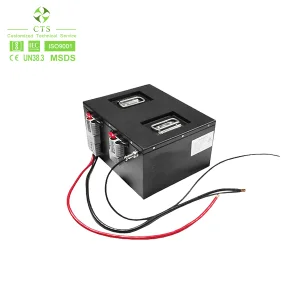
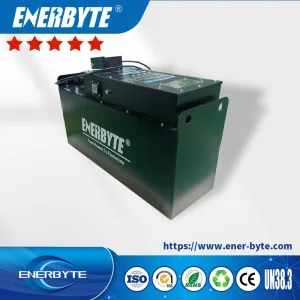
Our OEM/ODM manufacturing capability spans three core operational domains: Front-of-the-Meter (FTM) Utility Grids, Behind-the-Meter (BTM) Commercial & Industrial (C&I) installations, and Heavy-Duty Industrial Equipment Systems (such as high-capacity motive batteries for forklifts and ground support equipment).
By tailoring BMS communication protocols (CANbus, Modbus TCP/RTU, IEC 61850) and offering flexible DC-bus voltages (ranging from 48V low-voltage systems up to 1500V high-voltage DC architectures), we allow system integrators and EPC contractors to effortlessly plug our energy storage cabinets into existing solar inverters (PCS), microgrid controllers, and high-voltage substations.
Professional Lithium Battery OEM/ODM Manufacturer & Global Exporter
Nanjing Autrionyx Power Co., Ltd. is a professional lithium battery manufacturer dedicated to delivering high-performance energy solutions for material handling, energy storage, and electric mobility applications. Based in Nanjing, China, the company specializes in the development and production of lithium battery systems for forklifts, energy storage systems, and golf carts, serving global industrial and commercial markets.
Autrionyx Power offers a comprehensive product portfolio including advanced lithium forklift batteries designed for high efficiency and fast charging, scalable energy storage battery systems for residential and industrial use, and lightweight, long-lasting battery solutions for electric golf carts. All products are engineered with intelligent battery management systems (BMS) to ensure safety, stability, and extended service life.
With a strong focus on innovation and quality, the company integrates cutting-edge technology with strict manufacturing standards to meet diverse customer requirements. Autrionyx also provides customized battery system solutions tailored to specific voltage, capacity, and application needs.
Committed to sustainability and energy efficiency, Nanjing Autrionyx Power Co., Ltd. continues to support the global transition toward cleaner energy by delivering reliable, cost-effective, and environmentally friendly lithium battery solutions.

Deploying utility-scale BESS requires rigorous customization aligned with local electrical grid codes, ambient environmental extremes, and financial revenue stacking strategies. Our factory engineering team works directly with global project developers to deliver tailormade hardware-software architectures across various global scenarios:
To ensure absolute transparency and rapid execution during global BESS project tenders, our factory implements a streamlined 6-stage engineering and manufacturing protocol:
Expert answers to critical engineering, safety, and supply chain queries from EPC contractors and procurement managers.
Heavy-duty lithium forklift batteries, high-cycle residential units, and modular commercial storage solutions.
 Autrionyx Power